

DIVING IN THE DEAD SEA - UNIQUE DIVING EXPERIENCE,MOST DIVERS, EXTREME ADVENTURE , TOUGH DIVE, DIVING, EXTREME DIVER, DIVE ISRAEL, SALT CRYSTALS,UNUSUAL AND UNIQUE SCUBA DIVING, SCUBA DIVING
scuba diving adventure,diving in the dead sea,unique diving experience,most divers, extreme adventure , tough dive, diving, extreme diver, dive israel, salt crystals,unusual and unique scuba diving, scuba divingdiving in the dead sea,unique diving experience,most divers, extreme adventure , tough dive, diving, extreme diver, dive israel, salt crystals,unusual and unique scuba diving, scuba diving find out how, why and where to dive deep diving sea, scuba gear, barrier diving great reef, diving sky, diving vacation, diving equipment used, australia scuba diving, australia diving, scuba diving lesson, scuba diving trip, scuba diving vacation, hawaii scuba diving, scuba diving equipment, scuba equipment, scuba diving gear, dive, padi, diving swimming, diving shark, diving gear, dive watch, caribbean scuba diving, shark dive, dive import australia, caribbean diving, dive shop, diving liveaboard, scuba dive, bahamas diving, diving hawaii, fiji scuba diving, diving equipment sky, board diving, scuba tank, hawaii scuba, scuba diver, dive computer, scuba girl, diving maui, dive gear, dive hawaii, bonaire diving, dive travel, maui scuba, kauai scuba, kauai scuba diving, dive bar, florida scuba diving, diving watch, curacao diving, scuba lesson, travel, adventure, adventure travel, adventure tour, padi, diving, dive news, scuba diving, underwater, skin diving, snorkeling, dive rebreather, watersports, padi travel network, dive travel, ptn, travel, bcd, underwater cameras, tanks, cylinders, drysuits, fins, masks, regulators, mask defoggers, liveaboards, australia, caribbean, atlantic ocean, watersports, pacific ocean, indian ocean, atlantic ocean, hawaii, micronesia, red sea, seychelles, florida keys, night diving, deep diving, wreck diving, underwater photography, enriched air, eanx, dsat, project aware, padi diving society, pds, dive society, dsd, discover scuba diving, escape, experience, explore, escape experience explore, want it, live it, dive it, want live dive, learn to dive, learn to scuba dive, scuba class, california diving, texas diving, deep dive, wreck dive, nitrox, nitrox diving, eanx, msd challenge commercial diving, military diving,combat divers,armed forces work divers ,recreational diving ,underwater photography & video ,spear fishing marine life counting and identification ,rescue & recovery diving ,scientific diving ,technical diving (also called tech divers) ,cave diving scavern diving ,deep diving,ice diving ,wreck diving scuba divers exploring fish and coral.by carrying a source of compressed air, the scuba diver is able to stay underwater longer than with the simple breath-holding techniques used in snorkeling and free-diving, and is not hindered by air-lines to a remote air source. the scuba diver typically swims underwater by using fins attached to the feet. however, some divers also move around with the assistance of a dpv (diver propulsion vehicle), commonly referred to as a 'scooter', or by using surface-tethered devices called sleds, which are pulled by a boat. the term scuba arose during world war ii and originally referred to usa combat frogmen's oxygen rebreathers, developed by dr. christian lambertsen for underwater warfare. today, scuba typically usually refers to the in-line open-circuit equipment, developed by emile gagnan and jacques-yves cousteau, in which compressed gas (usually air) is inhaled from a tank and then exhaled into the water. however, rebreathers (both semi-closed circuit and closed circuit) are also self-contained systems (as opposed to surface-supplied systems) and are therefore classified as scuba. although the word 'scuba' is an acronym for 'self contained underwater breathing apparatus', it has also become acceptable to refer to scuba as 'scuba equipment' or 'scuba apparatus'. for the history of diving, see timeline of underwater technology. within recreational diving there are those who are considered professional divers, because they maintain a professional standard of training and skills (and must, in theory, according to the laws of the area, carry professional liability insurance). some consider technical diving to be a subset of recreational diving, but others separate it out due to the extensively different training equipment and knowledge needed for technical dives. public safety diving and military diving might likewise be classified as commercial diving because public safety divers and military divers make a living from their pursuit of diving. however, public safety divers (police or rescue) and military divers have a different mission from the typical commercial diver. scientific diving is used by marine scientists (including diving marine biologists and underwater archaeologists), as a tool for collecting their research data. diving issues divemaster ready to dive shark and yolanda reef at r?s muhammad, sharm el-sheikh.this section looks at some of the physiological issues posed by diving. see diving hazards and precautions. breathing underwater water normally contains dissolved oxygen from which fish and other aquatic animals extract all their required oxygen as the water flows past their gills. humans lack gills and do not otherwise have the capacity to breathe underwater unaided by external devices. early diving experimenters quickly discovered it is not enough simply to supply air in order to breathe comfortably underwater. as one descends, in addition to the normal atmospheric pressure, water exerts increasing pressure on the chest and lungs — approximately 1 bar or 14.7 psi for every 33 feet or 10 meters of depth — so the pressure of the inhaled breath must exactly counter the surrounding or ambient pressure in order to inflate the lungs. by always providing the breathing gas at ambient pressure, modern demand valve regulators ensure the diver can inhale and exhale naturally and virtually effortlessly, regardless of depth. because the diver's nose and eyes covered by a diving mask; the diver cannot breathe in through the nose, except when wearing a full face diving mask. however, inhaling from a regulator's mouthpiece becomes second nature very quickly. the 'alfa' flag - designates a vessel engaged in underwater operations with restricted maneuverability the diver down flag - designates a diver is in the waterthe most commonly used scuba set today is the open circuit 2-stage diving regulator, coupled to a single pressurized gas cylinder. this 2-stage arrangement differs from emile gagnan's and jacques cousteau's original 1942 design, known as the aqua-lung, in which the cylinder's pressure was reduced to ambient pressure in a single stage. the 2-stage system has significant advantages over the original single-stage design. in the 2-stage design, the first stage regulator reduces the cylinder pressure of about 200 bar (3000 psi) to an intermediate level of about 10 bar (145 psi). the second stage demand valve regulator, connected via a low pressure hose to the first stage, delivers the breathing gas at the correct ambient pressure to the diver's mouth and lungs. the diver's exhaled gases are exhausted directly to the environment as waste. the first stage typically has at least one outlet delivering breathing gas at unreduced tank pressure. this is connected to the diver's pressure gauge or computer, in order to show how much breathing gas remains. for more information, see diving regulator. less common (but becoming increasingly available) are closed and/or semi-closed rebreathers. open-circuit sets vent off all exhaled gases, but rebreathers reprocess each exhaled breath for re-use by removing the carbon dioxide buildup and replacing the oxygen used by the diver. rebreathers release few or no gas bubbles into the water, and use much less oxygen per hour because exhaled oxygen is recovered; this has advantages for research, military, photography, and other applications. see frogman. modern rebreathers (rather than old-type plain oxygen rebreathers) are more complex and more expensive than sport open-circuit scuba, and need special training and maintenance to safely use. see rebreather. for some diving, gas mixtures other than normal atmospheric air (21% oxygen, 78% nitrogen, 1% other) can be used, so long as the diver is properly trained in their use. the most commonly used mixture is enriched air nitrox, which is air with extra oxygen, often with 32% or 36% oxygen, and thus less nitrogen, reducing the effect of decompression sickness and nitrogen narcosis. several other common gas mixtures are in use, and all need specialized training. oxygen with helium and a reduced percentage of nitrogen is known as trimix, for example. in cases of technical dives more than one cylinder may be carried, each containing a different gas mixture for a distinct phase of the dive, typically designated as travel, bottom, and decompression. these different gas mixtures may be used to extend bottom time, reduce inert gas narcotic effects, and reduce decompression times. altitude diving ,aqua-lung ,decompression sickness ,diver training ,diving activities ,diving locations ,diving physics ,diving signal ,drift diving list of scuba magazines,scuba diving glossary,sea hunt ,snorkeling ,snorkeling locations ,snuba,technical diving ,timeline of underwater technology underwater photography ,underwater videography ,wreck diving ,like-a-fish: a new breathing apparatus that will allow breathing underwater without compressed air (or other breathing gas) tanks.

scuba diving adventure

diving in the dead sea

unique diving experience

extreme adventure

dive israel
unusual and unique scuba diving
scuba diving
look here, please...
Dive concept
Dead Sea Divers home page
Diving terms
Diving price
Diving Diploma
Dead Sea Facts
Dead Sea Image Gallery
About Dead Sea Divers
Dead Sea Attractions
Dead Sea Divers Free Download Form
Dead Sea Divers Trade Affiliates
Dead Sea Links
Dead Sea Divers Contact Us
Dead Sea Divers Business Registration


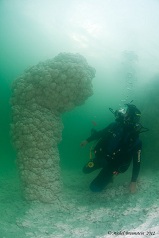
Diving in the Dead Sea is one of the most unusual and unique scuba diving experiences in the world. Most divers don't imagine it is even possible at all. The amazing underwater scenery with its magnificent salt consolidation is breathtaking. In a clear day you can expect to see the salt crystals shining like million diamonds. The best description is probably the reaction of one of our divers right after his dive: "It is all covered white. It's like diving in an ocean of ice, but the temperature and the weight you are carrying on you, remind you you are not"
Water temperatures vary between 18° C in January to 28°-35° C in August. Visibility ranges from 1 up to 20 meters. The Diving season is all year around.

Dead Sea under water scenery film

• If you want to see the magnificent salt crystals dipping between Moav and Edom Mountains
• If you want to dive like you never did before
• If you feel you are tough enough
• If you look forward for your next extreme adventure

We are here to fulfill it for you.
Challenge yourself - Book your extreme dive now online
Join To Our Mailing List: